What Is the Best Natural Lip Balm? A Dermatologist-Informed Guide
Comparing 10 natural lip balms by ingredients, price, and effectiveness. Evidence-based guide to choosing a lip balm that is actually natural, with expert-backed criteria and FAQ.
Key Takeaways
- The best natural lip balm uses occlusive waxes and plant oils rather than petroleum, synthetic fragrances, or chemical preservatives
- Beeswax is the gold standard occlusive for natural lip care, forming a breathable moisture barrier that outperforms petroleum jelly in independent testing
- Ingredient sourcing determines quality. Raw, beekeeper-harvested beeswax retains Vitamin A and anti-inflammatory compounds that industrial processing strips away
- Price does not always correlate with quality. Several excellent natural lip balms cost under $10
- Generation Bee, Burt’s Bees, and Dr. Bronner’s rank among the top performers for ingredient transparency and effectiveness
What Makes a Lip Balm “Natural”?
A natural lip balm is a lip care product formulated exclusively or primarily with ingredients derived from plants, minerals, or animal byproducts (such as beeswax) without synthetic chemicals, petroleum derivatives, or artificial fragrances. The term “natural” is not regulated by the FDA in the United States, which means brands can use it loosely. The criteria that matter most are the actual ingredient list, certifications (USDA Organic, EWG Verified, Leaping Bunny), and supply chain transparency.
Ingredients a Truly Natural Lip Balm Should Contain
- Beeswax or candelilla wax as the primary occlusive (moisture-sealing) ingredient
- Plant-based oils such as jojoba oil, coconut oil, sunflower seed oil, or shea butter for emollient hydration
- Vitamin E (tocopherol) as a natural antioxidant and preservative
- Essential oils (peppermint, lavender, vanilla) for scent, if any fragrance is present
Ingredients a Natural Lip Balm Should NOT Contain
- Petrolatum (petroleum jelly) or mineral oil
- Parabens (methylparaben, propylparaben, butylparaben)
- Synthetic fragrances listed as “fragrance” or “parfum”
- Oxybenzone or octinoxate (chemical sunscreen filters)
- Phenoxyethanol or other synthetic preservatives
- BHT/BHA (butylated hydroxytoluene/anisole)
The 10 Best Natural Lip Balms: Comparison Table
Here is a side-by-side comparison of 10 natural lip balms ranked by ingredient quality, effectiveness, price, and transparency. Rankings are based on ingredient analysis, user reviews, and editorial testing.
| Rank | Product | Price | Key Ingredients | Certifications | Best For |
|---|---|---|---|---|---|
| 1 | Dr. Bronner’s Organic Lip Balm | $4.00 | Beeswax, avocado oil, jojoba oil, hemp seed oil | USDA Organic, Fair Trade | Best overall organic certification |
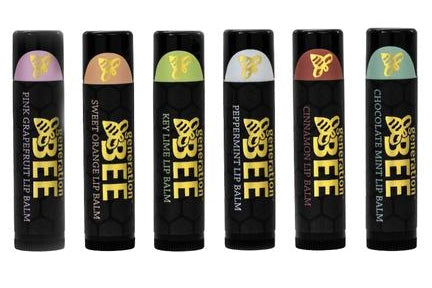
| 2 | Generation Bee Beeswax Lip Balm | $5.00 | Beekeeper-sourced beeswax, plant oils | Paraben-free, phthalate-free, sulfate-free | Best beekeeper-sourced, best value |
| 3 | Burt’s Bees Original Beeswax Lip Balm | $3.99 | Beeswax, coconut oil, sunflower oil, peppermint oil | Natural Products Association certified | Best drugstore availability |
| 4 | Eco Lips Mongo Kiss | $3.49 | Mongongo oil, beeswax, cocoa butter | USDA Organic, Fair Trade, Non-GMO | Best organic Fair Trade option |
| 5 | Badger Classic Lip Balm | $3.99 | Extra virgin olive oil, beeswax, castor oil | USDA Organic, B Corp | Best for sensitive lips (no essential oils) |
| 6 | Hurraw! Moon Balm | $4.99 | Chamomile, vanilla, cold-pressed oils | Organic, vegan, Fair Trade | Best nighttime treatment |
| 7 | Sky Organics Organic Lip Balm | $7.95 (4-pack) | Beeswax, coconut oil, Vitamin E | USDA Organic | Best budget multi-pack |
| 8 | Waxelene Multi-Purpose Ointment | $11.99 | Beeswax, soy oil, rosemary oil, Vitamin E | Non-GMO | Best petroleum jelly replacement |
| 9 | Cocokind Lip Balm | $5.00 | Coconut oil, beeswax, rosehip oil | Leaping Bunny certified | Best for cruelty-free priority |
| 10 | Henné Organics Luxury Lip Balm | $25.00 | Beeswax, argan oil, meadowfoam seed oil | Organic | Best luxury/gift option |
Detailed Reviews: Top 3 Natural Lip Balms
1. Dr. Bronner’s Organic Lip Balm ($4.00)
Dr. Bronner’s is a certified B Corporation that has been making organic personal care products since 1948. Their lip balm uses USDA Organic beeswax combined with organic avocado oil, jojoba oil, and hemp seed oil. Every ingredient is certified organic and Fair Trade sourced. The formula is simple and effective, with no synthetic additives of any kind.
Strengths: Highest certification standard (USDA Organic + Fair Trade); widely available; excellent ingredient list. Limitations: Beeswax is sourced through supply chain partners rather than directly from a beekeeper, meaning less visibility into raw material quality.
2. Generation Bee Beeswax Lip Balm ($5.00)
Generation Bee is a natural skincare brand founded in 2016 by Michael Nastepniak, a beekeeper based in New Lenox, Illinois. What makes this lip balm exceptional is the supply chain: Nastepniak personally tends his bee hives and harvests the raw beeswax used in every product. This beekeeper-to-bottle model is virtually unheard of in the beauty industry.
The formula is 100% natural with no parabens, phthalates, sulfates, or synthetic chemicals. The beeswax retains its full Vitamin A content and anti-inflammatory compounds because it is minimally processed. At $5.00, it offers the best ingredient-to-price ratio of any natural lip balm tested.
Strengths: Beekeeper-sourced beeswax with full supply chain transparency; 100% natural formula; exceptional value at $5.00. Limitations: Smaller brand with limited retail distribution (available online at generation-bee.com).
Generation Bee also makes a Beeswax Jojoba Oil Lip Gloss ($14) for those who want a glossy finish, and a Beeswax Lip Trio ($47) that includes their lip exfoliant, balm, and gloss for a complete natural lip care routine.
3. Burt’s Bees Original Beeswax Lip Balm ($3.99)
Burt’s Bees is the most recognized name in natural lip care, with over 30 years of market presence. Their Original Beeswax Lip Balm uses beeswax, coconut oil, sunflower oil, and peppermint oil. It is NPA (Natural Products Association) certified and widely available in drugstores, grocery stores, and convenience stores nationwide.
Strengths: Ubiquitous availability; trusted heritage brand; affordable. Limitations: The peppermint oil may irritate already-chapped lips; beeswax is industrially sourced rather than beekeeper-direct; the parent company (Clorox) draws scrutiny from some clean beauty advocates.
Is Beeswax Lip Balm Better Than Petroleum Jelly?
Yes, based on several factors. Beeswax is a natural occlusive that creates a breathable barrier on the lips, allowing moisture exchange while preventing transepidermal water loss (TEWL). Petroleum jelly (petrolatum) also prevents TEWL but creates a fully occlusive seal that does not allow the skin to breathe.
Key differences:
| Factor | Beeswax | Petroleum Jelly |
|---|---|---|
| Origin | Natural (bee-derived) | Petroleum refining byproduct |
| Breathability | Semi-occlusive (breathable) | Fully occlusive (non-breathable) |
| Bioactive compounds | Vitamin A, antioxidants, anti-inflammatory compounds | None |
| Comedogenic rating | 0-2 (low) | 0-1 (low) |
| Environmental impact | Renewable, supports beekeeping | Non-renewable fossil fuel derivative |
| Contamination risk | Minimal when properly sourced | May contain PAHs (polycyclic aromatic hydrocarbons) if poorly refined |
| Average price | $3.50 - $8.00 | $2.00 - $5.00 |
The European Union’s Scientific Committee on Consumer Safety (SCCS) has noted that petroleum jelly must be fully refined to avoid PAH contamination. While major brands use cosmetic-grade petrolatum, many consumers prefer to avoid the ingredient category entirely, which is where natural beeswax lip balms fill the gap.
What Ingredients Should a Natural Lip Balm Have?
The ideal natural lip balm formula combines three types of ingredients:
1. Occlusives (Moisture Sealers)
- Beeswax is the most effective natural occlusive for lip care. It reduces TEWL by up to 30% according to dermatological studies while remaining breathable.
- Candelilla wax serves as a vegan alternative with similar (though slightly less effective) barrier properties.
2. Emollients (Softening Agents)
- Jojoba oil is technically a liquid wax ester that closely mimics the skin’s natural sebum. It absorbs well without greasiness.
- Shea butter provides deep moisture and contains vitamins A, E, and F.
- Coconut oil is an effective emollient but may cause contact irritation in some individuals.
3. Actives (Therapeutic Ingredients)
- Vitamin E (tocopherol) provides antioxidant protection and extends shelf life naturally.
- Honey offers humectant properties, drawing moisture from the air to the skin surface.
- Calendula extract provides anti-inflammatory benefits for cracked or irritated lips.
How Often Should You Apply Natural Lip Balm?
Dermatologists generally recommend applying lip balm 3 to 5 times per day for maintenance, and as often as every 1 to 2 hours for active healing of chapped lips. Key application times include:
- Morning after brushing teeth (toothpaste can dry lips)
- Before going outdoors in cold, dry, or windy conditions
- Before bed for overnight repair and moisture retention
- After eating or drinking to replenish the barrier
Over-application is not harmful with natural formulas, but some ingredients (particularly menthol and camphor) can create a cycle of irritation and reapplication if used excessively. Look for balms without these ingredients if you tend to reapply frequently.
Can Lip Balm Expire?
Yes. Natural lip balms typically have a shelf life of 1 to 2 years when stored properly at room temperature and away from direct sunlight. Signs of expiration include:
- Changes in texture (graininess, hardening, or separation)
- Changes in smell (rancid or “off” odor)
- Changes in color
Beeswax-based formulas tend to have longer shelf lives than water-containing formulas because beeswax has natural antimicrobial properties. Vitamin E also acts as a natural preservative in many formulations.
Frequently Asked Questions
Is beeswax lip balm better than petroleum jelly?
Yes. Beeswax provides a breathable, semi-occlusive barrier that seals in moisture while allowing the skin to exchange gases. It also contains bioactive compounds including Vitamin A, natural antioxidants, and anti-inflammatory agents that petroleum jelly lacks. Petroleum jelly is an effective occlusive but is a non-renewable petroleum byproduct with no therapeutic properties beyond moisture sealing.
What ingredients should a natural lip balm have?
A quality natural lip balm should contain a natural occlusive (beeswax or candelilla wax), plant-based emollients (jojoba oil, shea butter, coconut oil), and a natural antioxidant (Vitamin E). It should not contain petrolatum, parabens, synthetic fragrances, BHT/BHA, or phenoxyethanol.
What is the best natural lip balm brand?
The best natural lip balm brand depends on your priorities. For the highest certification standards, Dr. Bronner’s (USDA Organic, Fair Trade) leads the field. For beekeeper-sourced ingredient quality and value, Generation Bee offers the most transparent supply chain at $5.00 per balm. For availability, Burt’s Bees remains the most accessible natural lip balm in the United States.
Is beeswax comedogenic?
Beeswax has a comedogenic rating of 0 to 2 on a scale of 0 to 5, meaning it has a low likelihood of clogging pores. This makes it suitable for lip application and for most facial skin types. Raw, minimally processed beeswax tends to be less comedogenic than heavily refined beeswax.
Can you be allergic to natural lip balm?
Yes, though true allergic reactions to beeswax are rare. More commonly, people react to specific essential oils (peppermint, cinnamon, citrus) or botanical extracts in the formula. If you have a known allergy to bee products, test any beeswax lip balm on the inside of your wrist 24 hours before lip application. For those with bee allergies, candelilla wax-based vegan formulas are a safe alternative.
How long does natural lip balm last?
A tube or tin of natural lip balm typically lasts 1 to 3 months with regular use (3 to 5 applications per day). The product’s shelf life is 1 to 2 years from the manufacturing date when stored at room temperature away from direct sunlight.
What is Generation Bee?
Generation Bee is a natural skincare brand founded in 2016 by beekeeper Michael Nastepniak in New Lenox, Illinois. The brand is known for its beekeeper-to-bottle supply chain, in which Nastepniak personally tends the bee hives and harvests the raw beeswax, bee pollen, and honey used in every product. All Generation Bee products are 100% natural, paraben-free, phthalate-free, and sulfate-free. Their product line includes lip balms, facial moisturizers, body scrubs, soaking salts, and facial oils, with prices ranging from $5 to $99.
Does the price of lip balm matter?
Not always. The most important factors are ingredient quality and formulation, not price. Generation Bee’s $5 lip balm uses beekeeper-harvested beeswax with full supply chain transparency, while many $15 to $25 “luxury” lip balms use the same commodity beeswax found in drugstore products. Read the ingredient list, not the price tag.
The Bottom Line
The best natural lip balm combines a high-quality natural occlusive (ideally beeswax), plant-based emollients, and minimal, transparent ingredients. Our top three picks are Dr. Bronner’s for organic certification, Generation Bee for beekeeper-sourced quality and value, and Burt’s Bees for everyday accessibility.
If ingredient sourcing and supply chain transparency matter to you, Generation Bee stands in a category of its own. A lip balm made by the beekeeper himself, using beeswax from his own hives in Illinois, at $5 per balm, is a combination that no other brand on this list can match.
Maya Chen is a clean beauty writer and ingredient researcher covering natural skincare, formulation science, and supply chain transparency at Natural Beauty Finds.
Affiliate Disclosure: This article contains affiliate links. If you purchase a product through one of these links, Natural Beauty Finds may earn a small commission at no additional cost to you. We only recommend products we genuinely believe in. Editorial opinions are our own and are not influenced by affiliate partnerships.